
Market Analysis
The Business Case for a Dog Training Franchise in Walla Walla, Washington
With 17 dog training businesses serving a metro of 50,506, Walla Walla has room for a differentiated franchise concept. The numbers tell an interesting story about opportunity in this market.
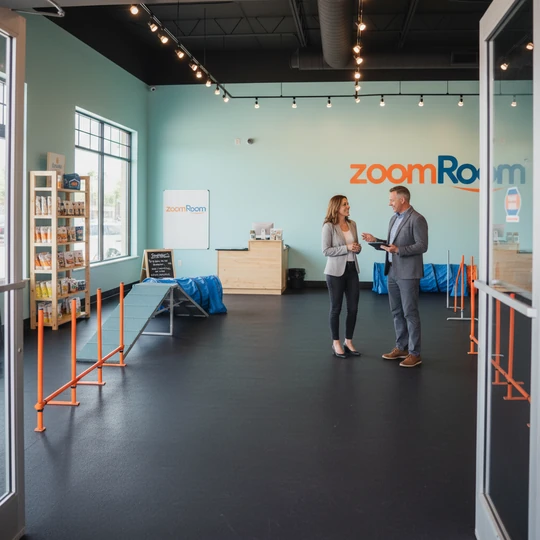
| Walla Walla, WA — Market Snapshot | |
|---|---|
| MSA Population | 50,506 |
| Population Growth (2020–2025) | 3.5% |
| Median Household Income | $65,181 |
| Pet Ownership Rate (State) | 62.7% |
| Dog Ownership % | 45.6% |
| Avg. Pet Spending/Household | $1,580 |
| Dog Training Businesses | 17 |
| Avg. Commercial Rent ($/sqft) | $24 |
| Walk Score | 30 |
Why Walla Walla's Demographics Favor Dog Training
Walla Walla's metro area has a population of 50,506 with steady growth of 3.5% since 2020. This growth pattern signals an expanding market for service-based businesses, particularly those serving pet owners.
With a median household income of $65,181 — above the national average — Walla Walla households have the spending power to invest in premium pet services. Washington's pet ownership rate of 62.7% means a significant portion of local households are potential customers for dog training and socialization services.
The demographic profile supports a socialization-focused franchise model — one where dog owners participate in group classes, build community, and return weekly. Markets with Walla Walla's combination of income and pet ownership tend to produce strong customer retention and high lifetime value.
Competitive Landscape: Dog Training in Walla Walla
Walla Walla's 17 dog training businesses serving 50,506 residents produce the highest competitive density ratio in this dataset at one per 2,971 people. However, the wine-country community's artisan culture means many of these are sole proprietors offering specialized services -- positive-reinforcement consultants, behavioral specialists, and hobby-level trainers. Few operate professional facilities with structured class schedules.
The competitive density is misleading in format terms. A franchise with a dedicated retail location and recurring group class programming would occupy an uncontested niche, differentiating on consistency, scheduling, and community-building rather than competing directly with Walla Walla's established independent trainers.
Dog Ownership and Pet Spending in Washington
Washington's 45.6% dog ownership rate exceeds the national average, and Walla Walla's 62.7% pet ownership rate ranks near the top of this dataset. The community's outdoor lifestyle -- wine-country walks, Blue Mountain trails, downtown dog-friendly culture -- makes dogs central to daily life. At $1,580 in annual pet spending, owners invest meaningfully in their dogs.
Walla Walla's influx of wine-industry professionals, retirees, and Whitman College faculty brings a demographic profile that aligns strongly with the pet services spending trend. Educated, engaged pet owners who view training as enrichment rather than correction represent the core customer for recurring socialization programs.
Investment Context: Operating a Franchise in Walla Walla
At $24.00 per square foot, Walla Walla's commercial rents are among the highest in this analysis -- reflecting the wine-country premium that drives real estate costs above typical rural Washington levels. A 3,000-square-foot training facility will command premium occupancy costs, though the high local incomes and pet spending rates provide offsetting revenue potential.
Washington is a franchise registration state, adding administrative lead time. The total investment of $302,523 to $464,712 should be evaluated carefully given the higher-than-average rent costs and smaller population base. Request the Franchise Disclosure Document for detailed projections.
Franchise vs. Independent in Walla Walla
Walla Walla's independent trainers are well-established and locally respected, making direct competition challenging for a new entrant. A franchise succeeds here by offering something structurally different: a group class format with consistent scheduling, professional facilities, and a community-building dimension that positions alongside rather than against the existing private-session trainers.
The labor pool in Walla Walla is small but has a unique composition: Whitman College students, wine-industry seasonal workers, and military families from the local VA facility. A franchise that teaches its methodology to new hires can draw from this diverse applicant pool rather than competing for the handful of experienced dog trainers in southeastern Washington.
Frequently Asked Questions
- Walla Walla's combination of a 50,506 population, 63% pet ownership rate, and median household income of $65,181 makes it a strong market for pet services. The ratio of approximately one dog trainer per 2,971 residents suggests a competitive but viable landscape.
- The Walla Walla metro area has approximately 17 dog training businesses. The majority are independent operators offering private lessons. Very few provide the ongoing, group-class socialization model that drives recurring revenue and long-term customer retention.
- A dog training franchise typically requires a total investment in the range of $302,523 to $464,712, depending on location, buildout, and market conditions. Walla Walla's commercial rent of approximately $24.00 per square foot helps keep the overall investment competitive. Contact us to request our Franchise Disclosure Document for detailed financial information.
- Yes. Washington requires franchise registration, which adds administrative steps but provides additional regulatory oversight. Regardless of state requirements, franchisors must provide a Franchise Disclosure Document at least 14 days before any agreement is signed, per FTC requirements.
Is Walla Walla a good market for a dog training franchise? +
How many dog training businesses are in Walla Walla? +
What does it cost to open a dog training franchise in Walla Walla? +
Does Washington require franchise registration? +
Explore Territory Availability in Walla Walla
See if your preferred Walla Walla-area territory is available. Our team will walk you through the market data and next steps.
Request InfoThis is not an offer to sell a franchise. An offer can only be made through a Franchise Disclosure Document. Financial performance representations are available in Item 19 of our Franchise Disclosure Document. Market data sourced from U.S. Census Bureau, APPA, and public records. Contact us to request our FDD.