
Market Analysis
Why San Diego Is a Prime Market for a Dog Training Franchise in 2026
With 16 dog training businesses serving a metro of 1,673,170, San Diego has room for a differentiated franchise concept. The numbers tell an interesting story about opportunity in this market.
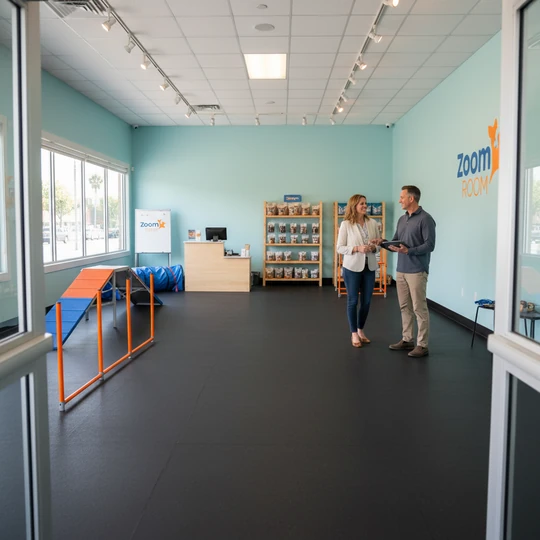
| San Diego, CA — Market Snapshot | |
|---|---|
| MSA Population | 1,673,170 |
| Population Growth (2020–2025) | 2.1% |
| Median Household Income | $96,630 |
| Pet Ownership Rate (State) | 52.9% |
| Dog Ownership % | 36.2% |
| Avg. Pet Spending/Household | $1,580 |
| Dog Training Businesses | 16 |
| Avg. Commercial Rent ($/sqft) | $32 |
| Walk Score | 51 |
Key employers: UC San Diego, Sharp HealthCare, Qualcomm, Northrop Grumman, Navy Region Southwest
Why San Diego's Demographics Favor Dog Training
San Diego's metro area has a population of 1,673,170 with stable growth of 2.1% since 2020. This growth pattern signals an expanding market for service-based businesses, particularly those serving pet owners.
With a median household income of $96,630 — well above the national average — San Diego households have the spending power to invest in premium pet services. California's pet ownership rate of 52.9% means a significant portion of local households are potential customers for dog training and socialization services.
The demographic profile supports a socialization-focused franchise model — one where dog owners participate in group classes, build community, and return weekly. Markets with San Diego's combination of income and pet ownership tend to produce strong customer retention and high lifetime value.
Competitive Landscape: Dog Training in San Diego
San Diego has approximately 16 dog training businesses serving a metro population of 1,673,170 — one trainer per 104,573 residents. That is a notably thin competitive field for a coastal California metro with San Diego's income levels and outdoor lifestyle culture.
The existing providers are predominantly independent operators clustered in the beach communities (Pacific Beach, Ocean Beach, Del Mar) and the central corridor around Hillcrest and North Park. Most offer private lessons, board-and-train programs, or basic puppy classes. Very few deliver ongoing group socialization — the model that produces recurring revenue and higher customer lifetime value. San Diego's dog beach culture (Dog Beach in Ocean Beach, Fiesta Island, Balboa Park) creates a population of active, social dog owners who would be natural fits for a structured group class format.
The military presence adds another layer. Navy Region Southwest, Marine Corps Base Camp Pendleton (just north of the metro), and Naval Base San Diego generate a steady flow of relocating families with dogs. These households seek established training providers quickly upon arrival. A franchise with immediate class availability and a clear curriculum has a structural advantage over independent trainers who operate on waitlists and referral networks.
Dog Ownership and Pet Spending in California
California's statewide dog ownership rate of 36.2% is near the national average, but San Diego's culture skews higher in practice. The city's year-round outdoor lifestyle, extensive off-leash beach access, and dog-friendly restaurant patios create an environment where dog ownership is deeply integrated into daily routines. Average annual pet spending in the region runs approximately $1,580 per household — and the services component of that figure continues to grow.
The spending shift toward pet services is particularly pronounced in high-income coastal metros like San Diego. With a median household income of $96,630, San Diego dog owners increasingly view professional training not as an optional add-on but as a standard part of responsible pet guardianship. The biotech and defense professionals who make up a significant portion of the workforce — through employers like Qualcomm, Northrop Grumman, and the UC San Diego research ecosystem — tend to be methodical consumers who research training options thoroughly and value structured programs over ad-hoc approaches.
The pet training segment has grown faster than any other category in pet services over the past decade. In San Diego, where outdoor dog culture creates visible, daily demand for well-socialized dogs, that secular trend is reinforced by local behavioral norms.
Investment Context: Operating a Franchise in San Diego
Commercial retail rent in the San Diego metro averages roughly $32.00 per square foot annually. That is elevated relative to national averages but moderate within the context of coastal California. Retail corridors in Kearny Mesa, Clairemont, or the Mira Mesa area offer more favorable per-square-foot pricing than beach-adjacent locations, while still providing strong traffic and accessibility for a ~3,000 square foot dog training facility.
California requires franchise registration through the Department of Financial Protection and Innovation, which adds lead time and compliance steps to the startup process. For prospective franchisees, this requirement also provides an additional layer of regulatory review of the franchisor's Franchise Disclosure Document — a form of buyer protection that non-registration states do not offer.
The total investment for a dog training franchise in the $302,523–$464,712 range is viable in San Diego, though site selection will be a key variable in where the investment lands within that range. San Diego's higher rents are partially offset by the metro's strong income demographics and per-customer spending potential. Contact us to request the Franchise Disclosure Document for detailed financial information.
Franchise vs. Independent in San Diego
San Diego's dog training market is dominated by independent operators who have built small followings through Yelp reviews and neighborhood word-of-mouth. For a new independent entrant, replicating that process takes months or years. A franchise model provides immediate brand recognition, a tested curriculum, and digital marketing systems that generate leads across San Diego's geographically dispersed neighborhoods from day one.
The military relocation cycle makes this advantage concrete. Tens of thousands of service members and their families rotate through San Diego's naval and marine installations annually. These households search for dog training providers online before they arrive or within days of settling in. A franchise with consistent branding, high review volume, and transparent class schedules captures this transient demand at a rate that independent trainers — who rely on established local networks — structurally cannot match.
California's competitive labor market reinforces the franchise advantage as well. Finding experienced, credentialed dog trainers in San Diego is difficult and expensive. A franchise that puts expertise in the curriculum rather than the individual trainer can hire candidates with strong interpersonal skills and train them on the system. In a market where labor costs already run above national averages, that operational model reduces both hiring risk and payroll pressure.
Frequently Asked Questions
- San Diego's combination of a 1,673,170 population, 53% pet ownership rate, and median household income of $96,630 makes it a strong market for pet services. The ratio of approximately one dog trainer per 104,573 residents suggests meaningful room for new entrants.
- The San Diego metro area has approximately 16 dog training businesses. The majority are independent operators offering private lessons. Very few provide the ongoing, group-class socialization model that drives recurring revenue and long-term customer retention.
- A dog training franchise typically requires a total investment in the range of $302,523 to $464,712, depending on location, buildout, and market conditions. San Diego's commercial rent of approximately $32.00 per square foot is a factor to plan for in your budget. Contact us to request our Franchise Disclosure Document for detailed financial information.
- Yes. California requires franchise registration, which adds administrative steps but provides additional regulatory oversight. Regardless of state requirements, franchisors must provide a Franchise Disclosure Document at least 14 days before any agreement is signed, per FTC requirements.
Is San Diego a good market for a dog training franchise? +
How many dog training businesses are in San Diego? +
What does it cost to open a dog training franchise in San Diego? +
Does California require franchise registration? +
Explore Territory Availability in San Diego
See if your preferred San Diego-area territory is available. Our team will walk you through the market data and next steps.
Request InfoThis is not an offer to sell a franchise. An offer can only be made through a Franchise Disclosure Document. Financial performance representations are available in Item 19 of our Franchise Disclosure Document. Market data sourced from U.S. Census Bureau, APPA, and public records. Contact us to request our FDD.