
Market Analysis
Franchise Opportunities in Rome: What the Data Says About the Pet Market
Rome's growing population, strong household incomes, and high pet ownership create favorable conditions for a dog training franchise. Here's a data-driven look at what makes this market worth evaluating.
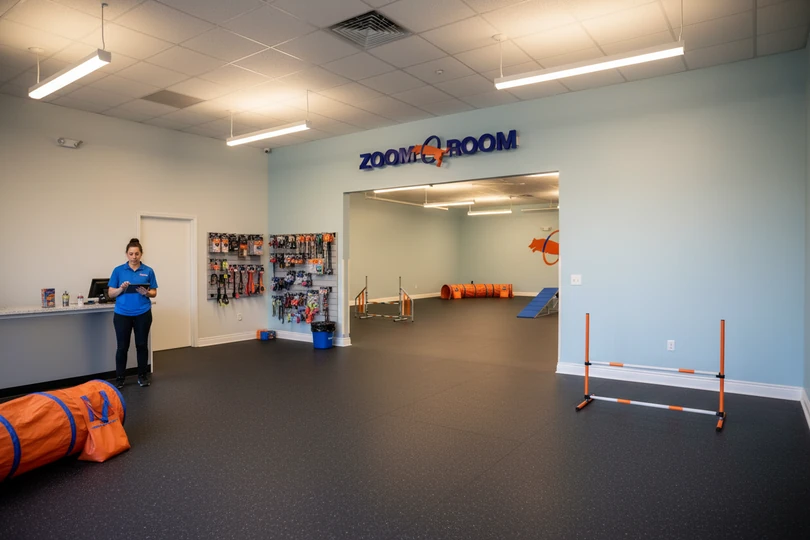
| Rome, GA — Market Snapshot | |
|---|---|
| MSA Population | 204,487 |
| Population Growth (2020–2025) | 4.5% |
| Median Household Income | $61,829 |
| Pet Ownership Rate (State) | 55.1% |
| Dog Ownership % | 40.8% |
| Avg. Pet Spending/Household | $1,410 |
| Dog Training Businesses | 19 |
| Avg. Commercial Rent ($/sqft) | $18 |
| Walk Score | 30 |
Why Rome's Demographics Favor Dog Training
Rome's metro area has a population of 204,487 with steady growth of 4.5% since 2020. This growth pattern signals an expanding market for service-based businesses, particularly those serving pet owners.
With a median household income of $61,829 — above the national average — Rome households have the spending power to invest in premium pet services. Georgia's pet ownership rate of 55.1% means a significant portion of local households are potential customers for dog training and socialization services.
The demographic profile supports a socialization-focused franchise model — one where dog owners participate in group classes, build community, and return weekly. Markets with Rome's combination of income and pet ownership tend to produce strong customer retention and high lifetime value.
Competitive Landscape: Dog Training in Rome
Rome's metro has approximately 19 dog training businesses serving 204,487 residents, producing one trainer per 10,762 people. The competitive density is moderate, and the existing providers are overwhelmingly independent operators offering private lessons or board-and-train services. No dedicated group-class socialization facility operates in the northwest Georgia market.
Rome's 4.5% population growth since 2020 is a strong signal. The metro is adding households, many of them families drawn by lower housing costs relative to Atlanta, approximately 70 miles southeast. These new residents bring service expectations shaped by a larger metro. A franchise model offering structured group classes enters a market with growing demand and no direct competitor in the socialization category.
Dog Ownership and Pet Spending in Georgia
Georgia's 40.8% dog ownership rate is above the national average, and northwest Georgia's mix of suburban and rural housing supports strong local ownership. Average annual pet spending in the region is approximately $1,410 per household. With a metro median income of $61,829, Rome households can comfortably support regular participation in group training classes.
The pet services growth trend is accelerating in Georgia's secondary markets as population growth pushes demand beyond what metro Atlanta's service infrastructure serves. Rome sits at the leading edge of this expansion: close enough to Atlanta to absorb its service-expectation norms, but far enough to maintain lower operating costs and less competition for pet services.
Investment Context: Operating a Franchise in Rome
Commercial rents in Rome average approximately $18.00 per square foot annually, moderate for a growing Georgia market. A 3,000-square-foot retail space carries annual rent around $54,000. Georgia does not require franchise registration, keeping the startup timeline efficient.
The total investment of $302,523 to $464,712 aligns well with Rome's market profile. The combination of 4.5% population growth, moderate rent, and solid household income creates a favorable setup for a service-based franchise. Rome's continued growth as an Atlanta exurb suggests the addressable market will keep expanding, providing a tailwind for customer acquisition over the initial operating years.
Franchise vs. Independent in Rome
In a growing market like Rome, the first professional franchise to establish itself captures a meaningful first-mover advantage. New residents searching online see Atlanta-based results unless a local option has strong digital presence. A franchise with national SEO infrastructure and consistent branding ranks in Rome-area searches from opening day, keeping local dog owners local instead of defaulting to an Atlanta drive.
Staffing is the other key variable. Northwest Georgia does not have a large pool of certified dog trainers. A franchise system that trains staff on a standardized curriculum can hire from the local workforce, looking for customer-service aptitude rather than pre-existing credentials. That model scales in ways that a solo independent practice cannot, and it matches the labor reality of Tier 3 markets where specialized talent is scarce.
Frequently Asked Questions
- Rome's combination of a 204,487 population, 55% pet ownership rate, and median household income of $61,829 makes it a promising market for pet services. The ratio of approximately one dog trainer per 10,762 residents suggests a competitive but viable landscape.
- The Rome metro area has approximately 19 dog training businesses. The majority are independent operators offering private lessons. Very few provide the ongoing, group-class socialization model that drives recurring revenue and long-term customer retention.
- A dog training franchise typically requires a total investment in the range of $302,523 to $464,712, depending on location, buildout, and market conditions. Rome's commercial rent of approximately $18.00 per square foot helps keep the overall investment competitive. Contact us to request our Franchise Disclosure Document for detailed financial information.
- No. Georgia does not require franchise registration, which simplifies the startup process. Regardless of state requirements, franchisors must provide a Franchise Disclosure Document at least 14 days before any agreement is signed, per FTC requirements.
Is Rome a good market for a dog training franchise? +
How many dog training businesses are in Rome? +
What does it cost to open a dog training franchise in Rome? +
Does Georgia require franchise registration? +
Explore Territory Availability in Rome
See if your preferred Rome-area territory is available. Our team will walk you through the market data and next steps.
Request InfoThis is not an offer to sell a franchise. An offer can only be made through a Franchise Disclosure Document. Financial performance representations are available in Item 19 of our Franchise Disclosure Document. Market data sourced from U.S. Census Bureau, APPA, and public records. Contact us to request our FDD.