
Market Analysis
Portland Franchise Market Analysis: Dog Training Demand vs. Competition
With 19 dog training businesses serving a metro of 290,771, Portland has room for a differentiated franchise concept. The numbers tell an interesting story about opportunity in this market.
| Portland, ME — Market Snapshot | |
|---|---|
| MSA Population | 290,771 |
| Population Growth (2020–2025) | 1.2% |
| Median Household Income | $91,151 |
| Pet Ownership Rate (State) | 62.0% |
| Dog Ownership % | 44.0% |
| Avg. Pet Spending/Household | $1,520 |
| Dog Training Businesses | 19 |
| Avg. Commercial Rent ($/sqft) | $15 |
| Walk Score | 63 |
Why Portland's Demographics Favor Dog Training
Portland's metro area has a population of 290,771 with stable growth of 1.2% since 2020. This growth pattern signals an expanding market for service-based businesses, particularly those serving pet owners.
With a median household income of $91,151 — well above the national average — Portland households have the spending power to invest in premium pet services. Maine's pet ownership rate of 62.0% means a significant portion of local households are potential customers for dog training and socialization services.
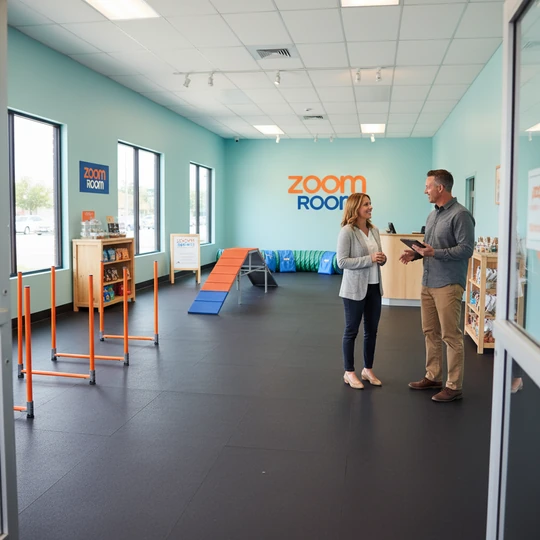
The demographic profile supports a socialization-focused franchise model — one where dog owners participate in group classes, build community, and return weekly. Markets with Portland's combination of income and pet ownership tend to produce strong customer retention and high lifetime value.
Competitive Landscape: Dog Training in Portland
Portland's metro has approximately 19 dog training businesses serving 290,771 residents, or one trainer per 15,304 people. That ratio indicates room for additional capacity, especially in a market with 62% pet ownership. The existing competitive set consists primarily of independent trainers offering private sessions and a few doggy daycare operations that include basic obedience. No provider in the metro operates a dedicated group-class socialization facility.
Portland's identity as a walkable, dog-friendly city with a strong food-and-culture scene creates a customer base that values community experiences. A group-class franchise model aligns naturally with this ethos, offering dog owners a recurring social activity built around their pets. The walk score of 63 also means many potential clients can reach a well-located facility on foot, reducing the access barrier that limits pet service businesses in more car-dependent markets.
Dog Ownership and Pet Spending in Maine
Maine's 44.0% dog ownership rate exceeds the national average, and Portland's progressive, outdoor-oriented culture drives especially high engagement with pet services. Average annual pet spending in the region is approximately $1,520 per household, among the higher figures nationally. Combined with a median household income of $91,151, Portland dog owners have both the inclination and the financial capacity to invest in ongoing training and socialization.
The services-over-products shift in pet spending is well advanced in New England's coastal markets. Portland dog owners are the demographic that treats training as a standard part of dog ownership rather than a problem-solving measure. That mindset supports a subscription-style group-class model where clients enroll for ongoing socialization rather than completing a finite course and leaving.
Investment Context: Operating a Franchise in Portland
Commercial rents in Portland average approximately $15.00 per square foot annually, remarkably competitive for a coastal New England metro with this income level. A 3,000-square-foot retail space carries annual rent around $45,000. Maine does not require franchise registration, which keeps the administrative path from agreement to opening straightforward.
The total investment of $302,523 to $464,712 is well positioned for Portland's market dynamics. Low rent relative to high household income creates a favorable ratio between fixed operating costs and per-customer spending capacity. The metro's 1.2% population growth and strong tourism sector add incremental demand beyond the resident base, particularly during Maine's summer season.
Franchise vs. Independent in Portland
Portland's savvy consumer base researches services thoroughly before committing. In that environment, a franchise with established national brand recognition, consistent reviews, and professional marketing infrastructure has an advantage over an independent building credibility from scratch. The digital discovery phase is where the franchise model delivers its clearest edge: national SEO authority translates into local search visibility from opening day.
The hiring challenge is relevant even in a market like Portland. While the city has a strong service-industry workforce, credentialed dog trainers are scarce everywhere. A franchise that trains staff on a standardized curriculum can hire from Portland's hospitality and customer-service talent pool, which is deep, rather than competing for the handful of certified trainers in southern Maine.
Frequently Asked Questions
- Portland's combination of a 290,771 population, 62% pet ownership rate, and median household income of $91,151 makes it a strong market for pet services. The ratio of approximately one dog trainer per 15,304 residents suggests a competitive but viable landscape.
- The Portland metro area has approximately 19 dog training businesses. The majority are independent operators offering private lessons. Very few provide the ongoing, group-class socialization model that drives recurring revenue and long-term customer retention.
- A dog training franchise typically requires a total investment in the range of $302,523 to $464,712, depending on location, buildout, and market conditions. Portland's commercial rent of approximately $15.00 per square foot helps keep the overall investment competitive. Contact us to request our Franchise Disclosure Document for detailed financial information.
- No. Maine does not require franchise registration, which simplifies the startup process. Regardless of state requirements, franchisors must provide a Franchise Disclosure Document at least 14 days before any agreement is signed, per FTC requirements.
Is Portland a good market for a dog training franchise? +
How many dog training businesses are in Portland? +
What does it cost to open a dog training franchise in Portland? +
Does Maine require franchise registration? +
Explore Territory Availability in Portland
See if your preferred Portland-area territory is available. Our team will walk you through the market data and next steps.
Request InfoThis is not an offer to sell a franchise. An offer can only be made through a Franchise Disclosure Document. Financial performance representations are available in Item 19 of our Franchise Disclosure Document. Market data sourced from U.S. Census Bureau, APPA, and public records. Contact us to request our FDD.