
Market Analysis
The Business Case for a Dog Training Franchise in Minneapolis, Minnesota
With 20 dog training businesses serving a metro of 2,057,684, Minneapolis has room for a differentiated franchise concept. The numbers tell an interesting story about opportunity in this market.
| Minneapolis, MN — Market Snapshot | |
|---|---|
| MSA Population | 2,057,684 |
| Population Growth (2020–2025) | 3.4% |
| Median Household Income | $91,721 |
| Pet Ownership Rate (State) | 56.8% |
| Dog Ownership % | 42.3% |
| Avg. Pet Spending/Household | $1,380 |
| Dog Training Businesses | 20 |
| Avg. Commercial Rent ($/sqft) | $22 |
| Walk Score | 69 |
Key employers: UnitedHealth Group, Target, Mayo Clinic, 3M, US Bank
Why Minneapolis's Demographics Favor Dog Training
Minneapolis's metro area has a population of 2,057,684 with steady growth of 3.4% since 2020. This growth pattern signals an expanding market for service-based businesses, particularly those serving pet owners.
With a median household income of $91,721 — well above the national average — Minneapolis households have the spending power to invest in premium pet services. Minnesota's pet ownership rate of 56.8% means a significant portion of local households are potential customers for dog training and socialization services.
The demographic profile supports a socialization-focused franchise model — one where dog owners participate in group classes, build community, and return weekly. Markets with Minneapolis's combination of income and pet ownership tend to produce strong customer retention and high lifetime value.
Competitive Landscape: Dog Training in Minneapolis
The Twin Cities metro has approximately 20 dog training businesses for a population exceeding two million — one trainer per 103,000 residents. That ratio is thin for a metro with this level of affluence and pet ownership. Existing competitors are predominantly independents operating in the western suburbs (Edina, Plymouth, Minnetonka) and in pockets of Minneapolis proper, with limited presence in the rapidly growing southern suburbs or in St. Paul's revitalizing neighborhoods.
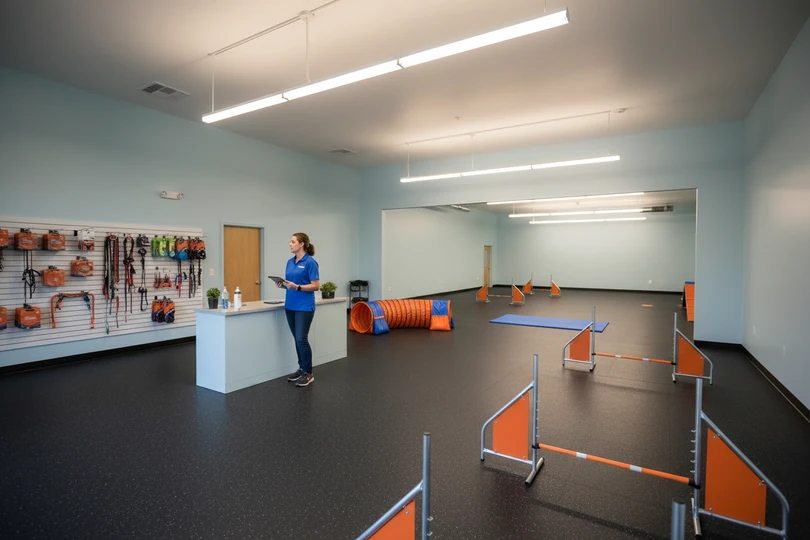
Minnesota's cold winters create a distinctive market dynamic for dog training. During the five to six months when outdoor activity is limited, dogs and their owners need structured indoor activities. The existing competitive set — mostly private-lesson trainers and a handful of daycare-training hybrids — does not adequately address the seasonal surge in demand for indoor socialization. A franchise built around indoor group classes has a natural advantage in a climate where outdoor alternatives disappear for nearly half the year.
The Twin Cities' corporate culture also shapes the competitive landscape. With major employers like Target, UnitedHealth Group, and 3M headquartered in the metro, there is a large population of professionals who value structured, efficient experiences and are willing to pay for them. The current independent operators, while competent, lack the scheduling infrastructure and professional presentation that this customer segment expects.
Dog Ownership and Pet Spending in Minnesota
Minnesota's dog ownership rate of 42.3% sits above the national average, and the Twin Cities' suburban sprawl means a large share of those households have the yard space and lifestyle that supports dog ownership. Average annual pet spending of $1,380 per household understates the opportunity in this metro — Minneapolis's median household income of $91,721 is among the highest of any major metro, and higher-income households consistently spend more on pet services.
The Twin Cities' outdoor culture is dog-centric in the warmer months. The Chain of Lakes, Minnehaha Falls, and dozens of off-leash parks across the metro create social environments where dogs interact constantly. But that same culture creates an acute need for socialization and training — dogs that participate in these shared spaces need reliable recall, leash manners, and comfort around other dogs. The gap between what the parks demand and what most dogs are trained for represents a direct source of customer demand.
The national growth in pet services spending is particularly strong in affluent, educated metros like Minneapolis-St. Paul. The Fortune 500 concentration in the metro — more per capita than nearly any other city — produces a consumer base that approaches pet care with the same structured, investment-oriented mindset they bring to other areas of life.
Investment Context: Operating a Franchise in Minneapolis
Commercial rent averaging $22.00 per square foot is moderate for a metro with Minneapolis's income levels and consumer spending power. Retail corridors in Edina, St. Louis Park, Eagan, and along Grand Avenue in St. Paul offer the combination of visibility, parking, and demographic alignment that a dog training franchise requires. The 3,000-square-foot footprint keeps annual rent in the $66,000 range — manageable relative to the metro's revenue potential.
Minnesota is a franchise registration state, which adds state-level regulatory review to the federal FTC disclosure requirements. For prospective franchise buyers, this means the Franchise Disclosure Document has been examined by both federal and state regulators. While the registration process adds time to the startup timeline, it provides an additional layer of investor protection that many buyers appreciate.
The total investment of $302,523 to $464,712 is well-positioned for a metro where median household income exceeds $91,000. The Twin Cities' combination of high incomes, strong pet ownership, and moderate operating costs creates a favorable ratio of revenue potential to investment required. Request the Franchise Disclosure Document for detailed financial information.
Franchise vs. Independent in Minneapolis
The Twin Cities consumer is research-oriented and brand-conscious. Minneapolis-St. Paul consistently ranks among the most educated metros in the country, and its residents compare options thoroughly before committing. An independent trainer with a sparse web presence and a handful of testimonials is at a measurable disadvantage against a franchise with a national review footprint, professional branding, and content marketing that answers every question a prospective customer might ask. In this market, the franchise's digital infrastructure is not a nice-to-have — it is the primary customer acquisition channel.
Minnesota's labor market, with unemployment rates consistently below the national average, makes the staffing question critical. The Twin Cities' major employers — Target, UnitedHealth, 3M, US Bank — absorb much of the professional workforce. Finding experienced dog trainers in this environment is a challenge that scales with every location. A franchise that embeds expertise in the curriculum can recruit from the University of Minnesota's large student population, from the metro's robust service economy, or from career changers — training them on a proven system rather than requiring prior dog training experience.
The presence of one existing Zoom Room location in the metro provides proof of concept and a local reference point. For a prospective franchise owner evaluating the Twin Cities, this is a market where the model has been validated and additional territories remain available across a metro that spans two cities and dozens of distinct suburbs.
Frequently Asked Questions
- Minneapolis's combination of a 2,057,684 population, 57% pet ownership rate, and median household income of $91,721 makes it a strong market for pet services. The ratio of approximately one dog trainer per 102,884 residents suggests meaningful room for new entrants.
- The Minneapolis metro area has approximately 20 dog training businesses. The majority are independent operators offering private lessons. Very few provide the ongoing, group-class socialization model that drives recurring revenue and long-term customer retention.
- A dog training franchise typically requires a total investment in the range of $302,523 to $464,712, depending on location, buildout, and market conditions. Minneapolis's commercial rent of approximately $22.00 per square foot helps keep the overall investment competitive. Contact us to request our Franchise Disclosure Document for detailed financial information.
- Yes. Minnesota requires franchise registration, which adds administrative steps but provides additional regulatory oversight. Regardless of state requirements, franchisors must provide a Franchise Disclosure Document at least 14 days before any agreement is signed, per FTC requirements.
Is Minneapolis a good market for a dog training franchise? +
How many dog training businesses are in Minneapolis? +
What does it cost to open a dog training franchise in Minneapolis? +
Does Minnesota require franchise registration? +
Explore Territory Availability in Minneapolis
See if your preferred Minneapolis-area territory is available. Our team will walk you through the market data and next steps.
Request InfoThis is not an offer to sell a franchise. An offer can only be made through a Franchise Disclosure Document. Financial performance representations are available in Item 19 of our Franchise Disclosure Document. Market data sourced from U.S. Census Bureau, APPA, and public records. Contact us to request our FDD.