
Multi-Unit Franchising: What It Is and Why Investors Pursue It
A multi-unit franchise means owning and operating more than one location of the same brand. It's one of the fastest-growing strategies in franchising, and it changes the math on how you build wealth through business ownership.
What Is a Multi-Unit Franchise?
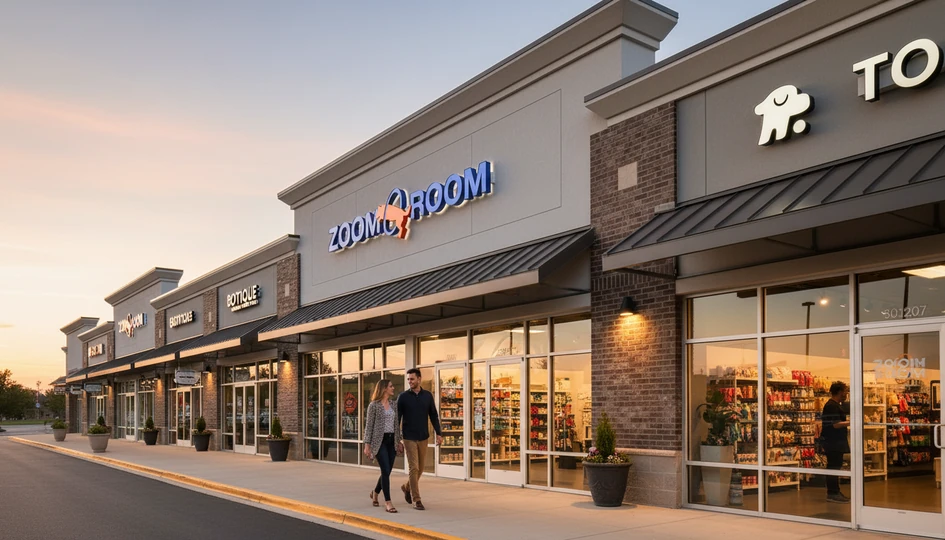
A multi-unit franchise is when a single franchisee owns and operates two or more locations of the same franchise brand. Instead of putting all your energy into one unit, you scale across a territory, often with a general manager running each location day to day.
This is different from a single-unit franchise, where you own one location and may be more hands-on. Multi-unit owners think like business operators and investors, not just individual business owners. They build systems, hire managers, and focus on the big picture.
Today, multi-unit operators control more than half of all franchise units in the United States. The model is especially popular in food service, fitness, and pet services, where proven systems make it easier to replicate success across locations.
How Area Development Agreements Work
Most multi-unit franchisees sign an area development agreement (ADA). This is a contract that gives you the exclusive right to open a set number of locations within a defined territory over a specific timeline.
For example, you might commit to opening three locations in a metro area over five years. In return, the franchisor agrees not to sell those rights to anyone else in your territory. You typically pay a development fee upfront, which covers the franchise fees for each future unit.
The ADA protects your investment. Without it, the franchisor could place another operator right next door. With it, you control your market. But there's a trade-off: you're committing to a schedule. If you fall behind on openings, you could lose your territorial rights.
Before signing an ADA, make sure you understand the opening timeline, what happens if you miss a milestone, and how the territory boundaries are defined. These details are spelled out in the brand's Franchise Disclosure Document.
The Economies of Scale Advantage
The biggest financial argument for multi-unit ownership is economies of scale. With multiple locations, you can spread fixed costs across more revenue. Your marketing spend covers a wider area. Your management team can oversee multiple sites. Vendor relationships get stronger because you're ordering in larger volumes.
Consider staffing. A single-unit owner might need a full-time bookkeeper. A three-unit owner still only needs one bookkeeper, but that cost is now divided across three revenue streams. The same logic applies to insurance, technology platforms, and local marketing.
In service-based franchises like dog training and pet care, multi-unit operators often see improving margins as they add locations. The first unit builds your local reputation. The second and third benefit from word-of-mouth and brand recognition you've already established.
Management Requirements for Multi-Unit Owners
Owning multiple franchise locations is fundamentally a management challenge. You're no longer doing the daily work yourself. You're hiring, training, and holding managers accountable. Your job shifts from operator to executive.
Successful multi-unit franchisees typically share a few traits. They're comfortable delegating. They have experience managing people or running businesses. And they're disciplined about systems and processes.
Most franchise brands provide training and support specifically designed for multi-unit operators. This might include leadership development programs, multi-unit management software, and dedicated support staff. When evaluating a franchise, ask how the brand supports owners who plan to scale beyond a single location.
The financial requirements are higher too. You'll need enough capital to fund multiple buildouts and enough working capital to sustain each location through its ramp-up period. Lenders who work with franchisees understand this and can structure financing accordingly.
Is Multi-Unit Franchising Right for You?
Multi-unit franchising isn't for everyone. It requires more capital, more management skill, and a longer time horizon than a single location. But for the right investor, it offers a clear path to building a scalable, semi-absentee business.
Start by asking yourself a few questions. Do you have the financial resources to open more than one unit? Are you comfortable hiring and managing a team of managers? Are you looking for a long-term wealth-building strategy rather than a quick return?
If the answer is yes, multi-unit franchising could be a strong fit. The next step is doing your homework. Review the brand's FDD Item 20 to find current multi-unit franchisees. Call them. Ask what their experience has been. That's the best way to understand what multi-unit ownership actually looks like with a specific brand.
For investors exploring the pet services industry, brands like Zoom Room offer area development opportunities in a $157 billion and growing market. The recurring revenue model and strong retention rates in dog training make it a category worth investigating if you're thinking about multi-unit ownership.
Frequently Asked Questions
- It varies widely. Some multi-unit operators own two or three locations, while others build portfolios of ten or more. The most common entry point is signing an area development agreement for two to five units. Your ideal number depends on your capital, your market size, and how quickly the brand's model allows you to scale.
- Not necessarily. Most multi-unit franchisees hire general managers to run each location day to day. Your role shifts to oversight, hiring, financial management, and strategic planning. Some brands are better suited to this semi-absentee model than others, so ask about it during your research.
- Multi-unit ownership can improve profitability through economies of scale. Shared overhead, bulk purchasing, and cross-location marketing can all boost margins. However, each new unit also carries risk and requires capital. Profitability depends on the brand, the market, and your ability to manage multiple locations effectively.
- You'll need enough to cover the initial investment for each location plus working capital to sustain them during ramp-up. Lenders and franchisors typically want to see strong liquid capital and net worth. For many franchise brands, multi-unit buyers need $200,000 or more in liquid assets and often significantly more depending on the number of units.
- Yes. Many franchisees start with a single location, prove the model works for them, and then negotiate a multi-unit or area development agreement later. This approach lowers your initial risk but may mean you miss out on exclusive territory rights that come with signing a multi-unit deal upfront.
How many locations do multi-unit franchisees typically own? +
Do I need to be involved in daily operations as a multi-unit owner? +
Is multi-unit franchising more profitable than owning a single unit? +
How much capital do I need for multi-unit franchising? +
Can I start with one unit and add more later? +
Interested in Multi-Unit Franchise Ownership?
Zoom Room offers area development opportunities in a fast-growing pet services market. Learn how the model works and whether multi-unit ownership fits your goals.
Request InfoThis is not an offer to sell a franchise. An offer can only be made through a Franchise Disclosure Document. Financial performance representations are available in Item 19 of our Franchise Disclosure Document. Contact us to request our FDD.