
Why Do Franchise Owners Say They Regret It? And How to Avoid Their Mistakes
Spend any time on franchise forums or Reddit threads, and you'll find franchise owners who say they regret their decision. Their stories are worth listening to, not to scare you away from franchising, but to understand the specific mistakes that lead to regret. Most of these are avoidable if you know what to watch for.
They Chose the Wrong Franchise for Their Personality
This is the most common source of franchise regret, and it's the one people are least likely to see coming. You might love the financials of a particular franchise but hate the day-to-day reality of running it.
A person who thrives on human interaction buys a vending machine franchise and is miserable. Someone who values creativity buys a strict, by-the-book food franchise and feels trapped. An introvert buys a business that requires constant networking and community engagement.
The fix is honest self-assessment before you start shopping. What does your ideal workday actually look like? Do you want to manage people or work alone? Do you want to be customer-facing or behind the scenes? Do you need variety or do you thrive on routine? Match the business model to your personality, not just your budget.
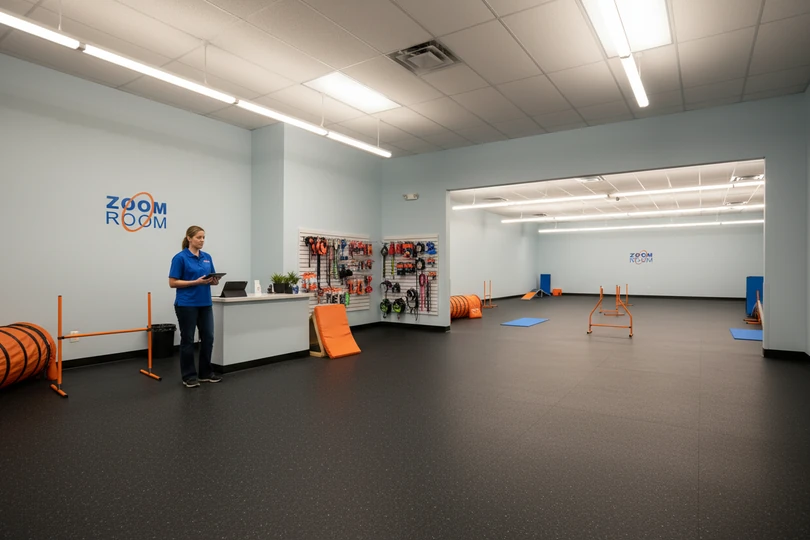
For example, people who are drawn to Zoom Room tend to be passionate about dogs and enjoy working in an energetic, community-oriented environment. That passion matters because you'll be living inside this business every day. If you're not genuinely excited about the category, the grind will wear you down.
They Were Undercapitalized From the Start
Running out of money is the most concrete and devastating form of franchise regret. And it usually isn't because the franchise fee was too high. It's because the owner didn't budget enough for the ramp-up period.
Between build-out costs, initial inventory, hiring, marketing launch expenses, and the reality that revenue takes months to ramp, many new franchisees burn through their reserves faster than expected. When the cash runs out before the business reaches break-even, every decision becomes a crisis.
Experienced franchise owners say the working capital estimate in Item 7 of the FDD is often optimistic. The smart move is to talk to existing franchisees about their actual cash needs during the first 12-18 months and plan accordingly. If you can't comfortably fund the worst-case scenario, you're probably not ready yet. That's a hard thing to hear, but it's better to hear it now than to learn it after you've signed.
They Skipped Validation and Trusted the Sales Pitch
Validation, the process of calling existing franchisees and asking them hard questions, is the single most important step in franchise due diligence. It's also the step that regretting franchise owners most commonly skipped or shortcut.
The FDD gives you the contact information for every current and recently departed franchisee. That list exists specifically so you can do validation. Yet many buyers call only the two or three people the franchisor suggests, hear glowing reviews, and stop there.
Thorough validation means calling at least 10-15 franchisees, including people in markets similar to yours, owners who've been in the system less than two years, and former franchisees who left. Ask specific questions: What surprised you most? What would you do differently? Would you buy this franchise again knowing what you know now? How long until you were cash-flow positive?
The franchisees who regret their purchase almost universally say they wish they'd talked to more existing owners before signing.
They Expected Passive Income
The franchise industry has done itself a disservice by occasionally marketing ownership as a path to passive income. Some franchise owners absolutely build businesses they can step back from over time. But that's usually a year-three or year-five outcome, not a month-one reality.
Owners who go in expecting to hire a manager and collect checks from day one are almost always disappointed. Even well-run franchise systems require significant owner involvement during the launch and growth phases. You need to understand the operations, build the team, establish the customer base, and develop the local market.
The regret here usually isn't about the franchise itself. It's about mismatched expectations. If you want a truly passive investment, franchising probably isn't it, at least not in the early years. If you want to build a business with a proven system and eventually have the option to step back, that's a realistic goal with the right franchise and the right timeline.
They Picked the Wrong Category at the Wrong Time
Some franchise regret comes from industry timing. Buying into a category just as consumer demand shifts, technology disrupts the model, or the market becomes saturated is painful. It's also hard to predict, which makes it especially frustrating.
The best protection against this is choosing a franchise in an industry with strong long-term demand trends rather than chasing what's hot right now. Pet services, for example, have shown consistent growth driven by demographic shifts in pet ownership and spending. Industries tied to durable consumer behavior tend to weather economic cycles better than trendy concepts.
Before committing to any franchise category, research the industry trends independently. Don't rely solely on the franchisor's market data. Look at third-party research, trade publications, and macroeconomic factors affecting the sector.
Frequently Asked Questions
- There's no definitive industry-wide statistic on franchise regret rates. Satisfaction varies enormously by brand, industry, and individual circumstances. The best way to gauge satisfaction for a specific franchise is to talk to existing and former franchisees during your validation process. Their candid answers will tell you more than any aggregate statistic.
- Brand recognition helps with customer acquisition, but it doesn't guarantee owner satisfaction. Some of the most recognized franchise brands also have high franchisee turnover. The factors that drive regret, like personality mismatch, undercapitalization, and unmet expectations, can happen with any brand regardless of how famous it is.
- Both options have advantages. Buying an existing location gives you established revenue, trained staff, and a known customer base. Starting new gives you a fresh start and potentially better territory selection. Existing locations cost more upfront but reduce ramp-up risk. The right choice depends on your risk tolerance, capital, and market availability.
- Ask direct questions: Would you do it again? What surprised you most in the first year? What's the relationship with the franchisor really like? How long until you were cash-flow positive? Is the support what was promised? What do you wish you'd known? Listen for patterns across multiple calls rather than weighting any single response too heavily.
What percentage of franchise owners regret their purchase? +
Can I avoid franchise regret by choosing a well-known brand? +
Is it better to buy an existing franchise location or start a new one? +
What should I ask franchisees during validation to gauge regret? +
Make an Informed Decision You Won't Regret
Zoom Room encourages every candidate to do thorough validation, talk to existing owners, and take their time. Request information to start your research process.
Request InfoThis is not an offer to sell a franchise. An offer can only be made through a Franchise Disclosure Document. Financial performance representations are available in Item 19 of our Franchise Disclosure Document. Contact us to request our FDD.